
Winter weather is hard on your roof. Snow accumulation, ice buildup, and repeated freeze‑thaw cycles can quietly weaken shingles and create vulnerabilities that turn into significant storm damage. What often looks like a normal layer of snow can conceal structural stress and moisture intrusion that doesn’t become obvious until leaks appear inside the home.
Understanding how winter conditions affect your roof can help you recognize problems early and avoid costly repairs. Here’s what you should know to protect your roof this winter according to the experts at Brothers Roofing and Construction, your number one source for roofing in Columbus.
How Snow Impacts Your Roof
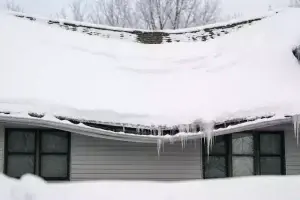
Fresh snowfall may look harmless, but weight adds up quickly. Wet, heavy snow places considerable stress on the roofing structure, especially on older homes or roofs already compromised by prior storm damage. Excess load can strain decking, loosen fasteners, and expose weak areas along ridges and eaves.
While most modern roofing systems are designed to handle typical snow loads, prolonged accumulation combined with fluctuating temperatures increases risk. If melting occurs during the day and refreezing happens at night, the expansion and contraction cycle can gradually break down shingle integrity.
The Freeze–Thaw Cycle Problem
One of the most damaging winter patterns is the freeze–thaw cycle. When snow melts, water seeps beneath shingles and around flashing. As temperatures drop again, that trapped moisture freezes and expands. Expansion forces materials apart, widening small gaps and creating entry points for future water intrusion.
Over time, this process can loosen shingles, compromise underlayment, and accelerate granule loss. What begins as minor wear can quickly evolve into measurable storm damage by the end of the season.
Ice Buildup and Shingle Deterioration
Ice formation along the roof edge often signals ventilation or insulation imbalance inside the attic. As interior heat escapes upward, it melts snow on the roof surface. The melted water then refreezes at colder eaves, forming thick ice.
That ice can trap additional moisture beneath shingles and along flashing seams. When water has nowhere to drain, it backs up and finds its way into the roof decking. Persistent exposure weakens structural components and can result in interior staining, insulation damage, and mold growth.
Signs of Winter Storm Damage
Winter-related storm damage is not always obvious from the ground. Homeowners should watch for subtle indicators such as lifted or missing shingles after high winds, shingle edges that appear brittle or cracked, dark streaking from moisture retention, or unexplained ceiling discoloration inside the home.
Sagging areas along the roofline or excessive icicle formation can also indicate drainage and ventilation problems that may be contributing to hidden damage.
Why Early Inspection Matters
 Winter damage rarely improves on its own. Small weaknesses exposed by snow and ice tend to worsen during spring rainstorms. A professional inspection after severe winter weather allows a roofing contractor to identify compromised areas before they turn into active leaks.
An experienced shingle roofing company can evaluate the condition of shingles, flashing, ventilation, and decking to determine whether repairs are sufficient or whether the roof has sustained broader storm damage requiring more extensive work.
Protecting Your Roof Through the Winter Season
Preventative steps such as maintaining proper attic insulation and ventilation, clearing gutters before snowfall, and addressing minor repairs promptly can reduce the likelihood of winter-related storm damage. However, once damage has occurred, professional evaluation is the safest course of action.
If your home has experienced heavy snowfall, ice buildup, or fluctuating winter temperatures, scheduling an inspection can provide clarity and protect your investment before spring weather compounds the issue. Contact Brothers Roofing and Construction today to learn more.