Choosing the right roof for your commercial property is one of the most important decisions you can make as a building owner or manager. The type of roof you select impacts your property’s durability, long-term maintenance needs, insulation efficiency, and overall cost. Among commercial roofing options, flat roofs and pitched roofs are the most commonly used styles, each offering distinct advantages and disadvantages.
Brothers Roofing and Construction are your trusted commercial roofers in Columbus. Let our experienced team help you make an informed decision that aligns with your building’s requirements, budget, and long-term goals.
Flat Roofs
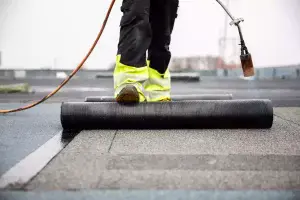
Flat roofs are a popular choice for commercial buildings due to their modern appearance, cost-effectiveness, and efficient use of space. One of the primary benefits of a flat roof is its accessibility, which makes inspections, repairs, and equipment installations such as HVAC units or satellite dishes much easier. Flat roofs also provide the opportunity to utilize rooftop space for functional purposes like rooftop gardens, solar panels, or outdoor seating areas.
However, flat roofs require careful design and high-quality materials to prevent water pooling, which can lead to leaks, structural damage, or premature wear. Drainage systems such as scuppers, internal drains, or slightly sloped surfaces are critical for managing rainfall and snowmelt. Regular maintenance, including inspections for membrane damage, debris removal, and sealant checks, is essential to maximize the lifespan of a flat roof. When properly installed and maintained, flat roofs can be a highly versatile and cost-efficient solution for many commercial properties.
Pitched Roofs
Pitched roofs are characterized by their sloped design, which naturally promotes water and snow runoff, reducing the likelihood of leaks and standing water issues. This roofing style can offer greater long-term durability, particularly in regions with significant rainfall, snow, or extreme weather conditions. Pitched roofs allow for more insulation options, providing improved energy efficiency and temperature regulation within the building. They can also enhance the building’s aesthetic appeal with a more traditional or architecturally varied appearance.
Despite these advantages, pitched roofs come with higher upfront installation costs and may pose challenges for rooftop access, maintenance, or the installation of equipment. However, the reduced risk of water damage and lower maintenance requirements over time often make them a worthwhile investment for many commercial properties.
Comparing Key Factors
Drainage: Pitched roofs have the natural advantage of gravity-assisted runoff, effectively reducing water pooling. Flat roofs rely on engineered drainage solutions, which must be carefully designed and maintained to prevent standing water and leaks.
Maintenance: Flat roofs require more frequent inspections and proactive upkeep to maintain the waterproof membrane, remove debris, and check for membrane or sealant damage. Pitched roofs generally need less frequent maintenance, although inspections after severe weather are recommended.
Insulation and Energy Efficiency: Pitched roofs allow for more insulation options and can improve energy efficiency by providing additional attic space for airflow and thermal protection. Flat roofs can also accommodate modern insulation systems, but achieving optimal performance may require more precise installation and planning.
Cost and Installation: Flat roofs are typically less expensive and faster to install, making them attractive for projects with tight budgets or timelines. Pitched roofs, while more costly upfront and more complex to install, often incur fewer issues over time and can provide better long-term durability and energy savings.
Making the Right Choice
 Selecting between a flat or pitched roof depends on your property’s unique needs, including budget, climate, building height, and intended use of rooftop space. Flat roofs are ideal for modern commercial buildings, urban properties, and structures requiring rooftop equipment or amenities. Pitched roofs are better suited for areas with heavy precipitation, snow accumulation, or buildings where durability and reduced maintenance are priorities. Consulting with an experienced commercial roofing company is essential to assess your building and recommend the most effective roofing solution. By considering all factors, you can choose a roof that maximizes longevity, efficiency, and return on investment.
Contact Brothers Roofing and Construction Today!
Brothers Roofing and Construction provides comprehensive commercial roofing services, including expert installation, detailed inspections, and ongoing maintenance of both flat and pitched roofs. Our team works closely with property owners to ensure roofing systems are optimized for performance, energy efficiency, and long-term reliability. Schedule a consultation today to determine the ideal roofing solution for your commercial property and protect your investment for years to come.