
When homeowners think of roof leaks, they often imagine damaged shingles or overflowing gutters. While these are certainly common causes, one of the most frequent and overlooked culprits is faulty chimney flashing. This simple but vital feature is responsible for sealing the area where your chimney meets your roof, preventing water from seeping into your home. When flashing fails, it can allow moisture to penetrate your attic, walls, and ceilings, causing costly damage that’s often hidden until it becomes severe.
Unfortunately, many homeowners aren’t aware of the warning signs or the importance of regular flashing maintenance until it’s too late. As the leaders in chimney repair in Columbus, Brothers Roofing and Construction specializes in identifying and repairing flashing issues before they escalate into more serious structural problems, helping homeowners avoid major headaches and preserve their property’s integrity year-round.
What Is Chimney Flashing?
Chimney flashing is a thin metal barrier installed where the chimney meets the roof. Its job is to direct water away from the seam between these two structures. Flashing typically consists of two components: step flashing, which goes under the shingles, and counter flashing, which is embedded into the chimney mortar. When installed properly, this combination creates a watertight seal that keeps moisture out.
Why Flashing Fails
Over time, chimney flashing can deteriorate due to age, weather exposure, or poor installation. Flashing that’s rusted, bent, missing, or pulling away from the chimney no longer forms a proper seal. Water can then seep through the gap and enter your attic or interior walls, leading to rot, mold, and structural damage.
Some common causes of flashing failure include rust or corrosion on the metal flashing, which weakens its ability to repel water, and dried, cracked mortar around the counter flashing that allows moisture to seep in. Improper installation or the use of low-quality materials can also compromise the integrity of the seal. Additionally, the settling or shifting of the chimney structure over time can break the connection between the chimney and the roof. Finally, damage from high winds or severe storms can dislodge or bend flashing, leaving your roof vulnerable to leaks.
Warning Signs of a Flashing Leak
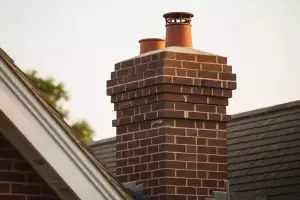 It’s not always easy to spot a flashing issue until the damage has already started. Some warning signs of a flashing leak include water stains on ceilings or walls near the chimney, which may indicate moisture intrusion from above. You might also notice a damp or musty smell in your attic, particularly after it rains. Dripping water during storms is another red flag, often signaling that water is bypassing the flashing seal. Cracked or crumbling chimney mortar and visible gaps between the chimney and the roofline can both be signs that your flashing has failed and needs professional attention.
How Brothers Roofing and Construction Can Help
If you suspect a flashing failure, don’t wait for the next storm to find out. The team at Brothers Roofing and Construction can conduct a thorough inspection of your chimney and roof to identify any vulnerabilities. Whether you need flashing repair, chimney repointing, or a full roof assessment, we have the experience and craftsmanship to get the job done right.
We use durable, weather-resistant materials and follow best practices to ensure your chimney flashing is built to last. If your roof is leaking or your chimney hasn’t been inspected in years, now’s the time to act.
A small flashing issue today can lead to big problems tomorrow. Protect your home with help from the trusted experts at Brothers Roofing and Construction. Contact us today to schedule a chimney and roof inspection, and keep water where it belongs: outside.