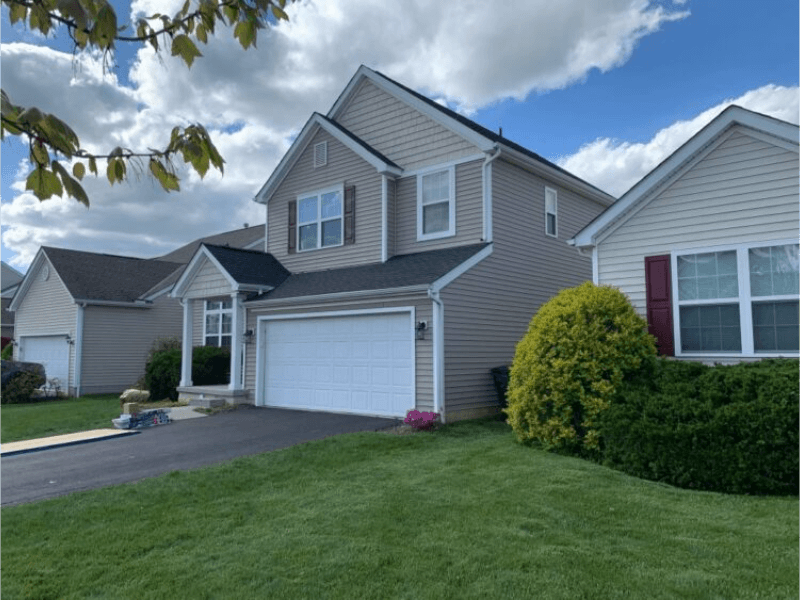
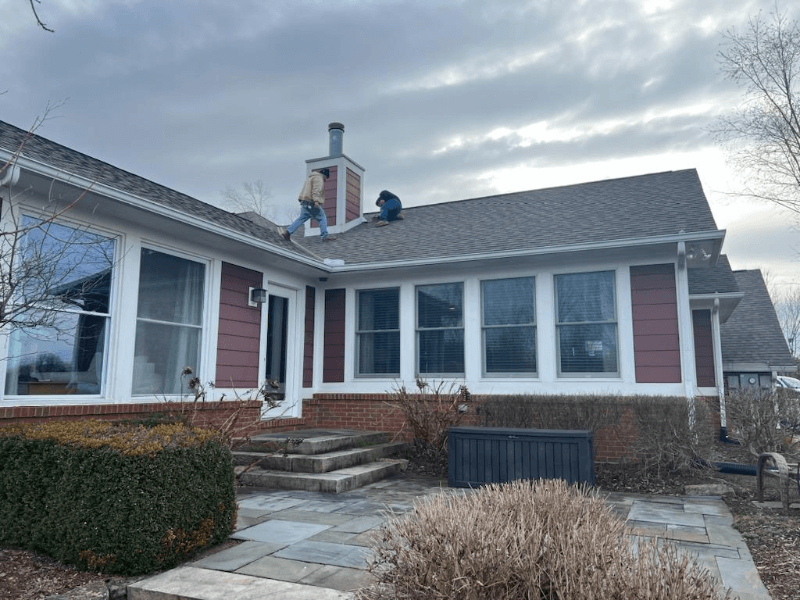
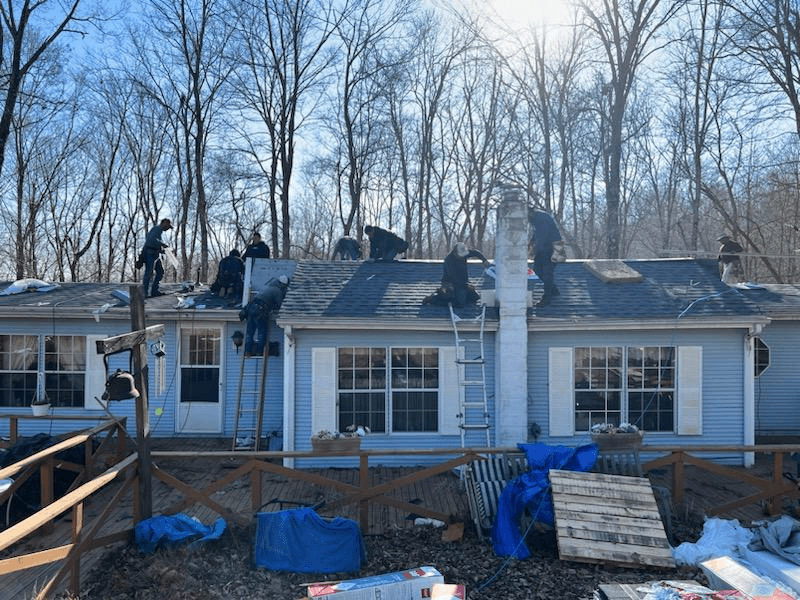
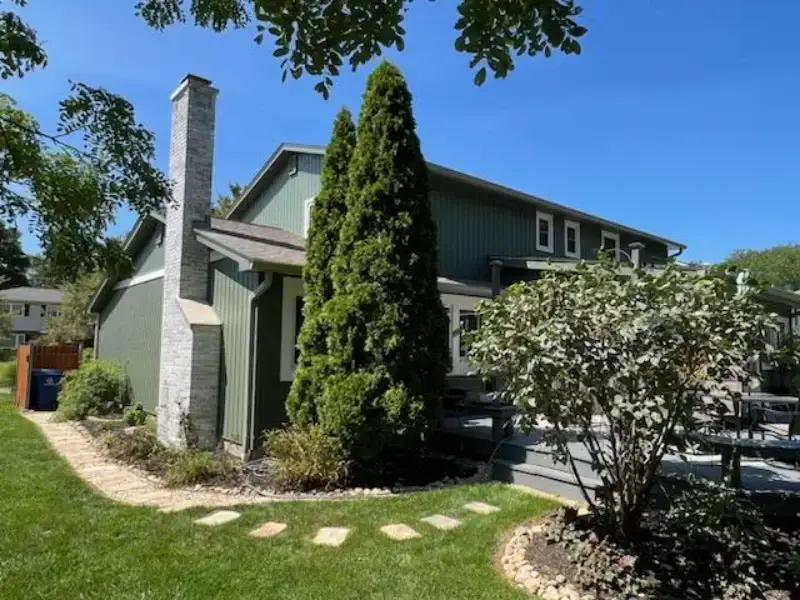
We spell out exactly how valleys and penetrations are built on your proposal and diagram, then install them to code and manufacturer specs for full warranty coverage.
Valleys
- Method (documented up front): We use either open metal W-valleys or closed-cut valleys per your roof system. (We do not use woven valleys on architectural shingles due to telegraphing and debris issues.)
- Open metal W-valley: Ice & water shield first, then 24–26 ga. metal (galvanized, aluminum, or copper as specified), hemmed edges, correct lap lengths, and fasteners kept out of the flow line.
- Closed-cut valley: Ice & water shield full length, shingle courses properly offset and cut, with manufacturer-required valley width exposed.
- High-exposure areas: We may extend ice & water shield beyond code minimums or upgrade metal thickness.
Penetrations
- Plumbing stacks: New premium pipe boots (long-life rubber or metal-collared), fastened and sealed; stack height adjusted to code.
- B-vents/metal flues: Manufacturer storm collars and high-temp sealant; never buried under shingles.
- Skylights: Manufacturer flashing kits (step/head/sill pieces) over ice & water shield—no site-made shortcuts.
- Walls & sidewalls: New step flashing under every shingle course with counterflashing let into masonry reglets or properly integrated behind siding; kick-out flashing at the base to divert water.
- Chimneys: Full re-flash—step + counterflashing set into mortar joints; add a cricket on wide chimneys to split water and snow load.
Materials & sealants
- Metals and fasteners compatible with each other and with your shingle system to prevent galvanic corrosion.
- Sealants used as a complement to proper metal laps—not as a substitute. All laps follow shingle-style water-shed logic.
Quality control & documentation
- Every valley and penetration is photo-documented during install and at completion.
- We verify code and manufacturer compliance for warranty eligibility and include these details in your close-out packet.
Bottom line: valleys and penetrations are your roof’s highest-risk areas—we overbuild them with the right materials, methods, and documentation so they stay dry for the long haul.